
 jane
A dispensary loyalty program pays off when you treat it like a contract: read the terms, match the earning structure to how you actually shop, and never let a reward change what or how much you buy. These programs are simple at heart. You create an account, earn points or member benefits on eligible purchases, and redeem them later for discounts, birthday rewards, early access to promotions, member-only events, or other store-defined perks. The value, though, lives in the details. Earning rates, reward thresholds, expiration dates, tiers, and which purchases qualify can turn a generous offer into an average one.
Eligibility matters just as much. Programs such as the Lume Cannabis Club limit membership to individuals, allow one account per person, require legal eligibility to purchase cannabis, and charge no fee or purchase to enrol. For shoppers, that means smarter savings. For retailers, it’s a model for program design that stays compliant and keeps customers coming back to well-staffed, responsible stores.
The seven tips below show how to read, use, and design these programs with confidence.
How These Cannabis Loyalty Program Tips Were Chosen
Loyalty programs vary widely, so these tips start from what nearly every program has in common. A member creates an account, earns points or perks on eligible purchases, and redeems them later. Each tip targets a variable that changes what that exchange is actually worth, such as earning rates, reward thresholds, expiration dates, member tiers, and which purchases qualify.
Every tip was weighed against four criteria:
- Clarity of terms: can a member easily understand how the program works?
- Practical value for the member: does the tip help shoppers get real benefit from their purchases?
- Fit with legal compliance: does it respect age, eligibility, and sales rules?
- Usefulness to retailers: can a store apply it when building or refining its own program?
The advice is evergreen, but specific terms differ by retailer and by province, so always check a program’s own details before relying on them. Program features, from promotions to data handling, should also line up with applicable provincial and federal rules. Compliance is part of how a program earns shoppers’ trust, not an afterthought.
Seven Cannabis Loyalty Program Tips for Shoppers and Retailers
1. Read the Program Terms Before You Enrol, Because Details Drive Value
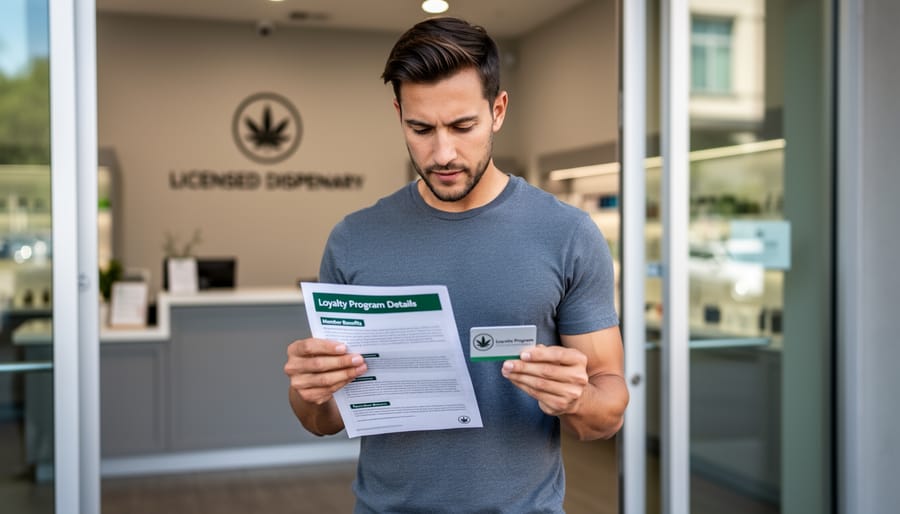
Two programs can look identical at the till and still be worth very different amounts. Earning rates, reward thresholds, expiration dates, member tiers, and eligible purchases all change what a program is actually worth. A generous-sounding points rate means little if rewards need a huge balance to unlock or only certain products qualify.
Before you enrol, find the terms and conditions page and read it. Look for how points are earned, how many you need for a reward, and whether a tier changes your earning rate once you hit a spending or visit threshold. Check what counts as an eligible purchase, too. Some perks, like birthday rewards or early access to promotions, depend on rules you’ll only find in the fine print.
Retailers, this works both ways. Write your terms in plain language that a member can understand without a second read. Clear earning rules and visible thresholds build trust, cut down on counter disputes, and show customers that your program is run transparently and in line with the rules that apply to your store.
2. Confirm Eligibility and Join Rules Up Front
Most loyalty programs put the join rules in plain view, and they matter before you hand over any personal details. Typically, membership is limited to individuals, usually one account per person, and members must be of legal age to buy cannabis.
The Lume Cannabis Club, a Michigan program, is a good example of this kind of rule set. Membership is for individuals only, with one account per individual, and members must be legally eligible to purchase cannabis products under Michigan law. No purchase is necessary to enroll, and there are no participation or membership fees. Those are useful questions to ask of any program you consider.
Canadian programs work under their own provincial age and sales rules, so a Michigan example shows structure, not local requirements. The same caution applies to broader questions like access to medical cannabis where retailers need to understand what applies in their jurisdiction. For retailers, that means verifying age at the counter and keeping enrolment compliant from the first sign-up.
3. Match the Earning Structure to How You Actually Shop
Dispensary loyalty programs don’t all reward the same behaviour, so the structure matters more than the headline offer. Some programs convert points into discounts, some reward visits, and some reward total spend. A few use tiers, where a member earns at a different rate after reaching a spending or visit threshold.
Think about how you actually shop. If you make small, frequent trips, a visit-based program may suit you better than one that rewards large baskets. If you buy less often but spend more each time, spend-based earning is the better fit. Before you commit, check whether a tier threshold is realistic for your usual spending and visit frequency. A rich top tier is worth nothing if you rarely reach it.
For retailers, simpler is better. A budtender should be able to explain how members earn and redeem in a sentence or two at the counter. If staff struggle to describe the structure, customers will struggle to use it.
4. Watch Reward Thresholds and Expiration Policies
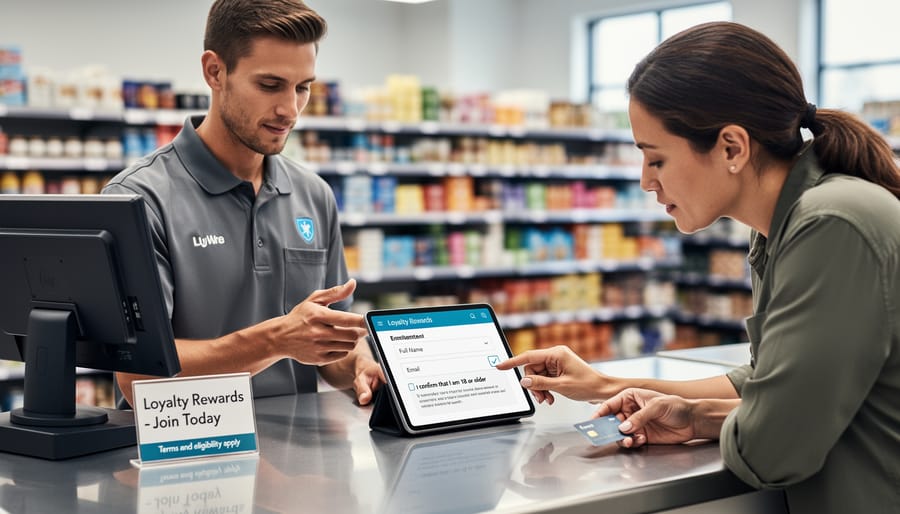
Points only help if you can actually redeem them, so start by finding out how many points a reward costs and how long it takes to get there at your usual spending. A reward threshold that sits just out of reach of a typical month is worth less than one you hit regularly.
Then check whether points or rewards expire. Policies differ from one program to the next, and you can’t assume a balance will sit untouched forever, so look for expiry details in the program’s terms before you start collecting. If a program uses tiers, note the spending or visit level needed to reach a better earning rate, and ask whether it suits your habits.
Retailers should treat this as a transparency issue. State reward thresholds and any expiry rules in plain language at enrolment and again at the counter, so members never discover a lapsed balance by surprise. Clear terms build trust and keep your program on solid compliance footing.
5. Use Member Perks Beyond Points, Such as Birthday Rewards and Early Access
Points are only part of what a program can offer. Many stores also build in perks such as birthday rewards, early access to promotions, and member-only events, though what exists depends entirely on the store. Check the program’s terms or ask at the counter what perks are available and how to claim them. Some may apply automatically, while others might need an opt-in or a visit within a set window.
For retailers, perks work best when they’re simple to explain and designed within the promotion and marketing rules that apply in your province. Clear, plain-language descriptions help members actually use what they’ve earned. Education-focused events, like product knowledge sessions or guidance on responsible use, can add real value without nudging anyone toward overconsumption. If you’re deciding which cannabis rewards fit your store, start with the ones your customers will understand quickly and your compliance approach can support.
6. Prioritize Responsible Purchasing Over Chasing Rewards
Rewards should never be the reason you buy more than you planned. A loyalty point is only worth earning if you would have made the purchase anyway, so decide what you need before you walk in. Then compare the total value, including the regular shelf price, against what a reward actually saves you. A discount on a product you did not need is not a saving.
At home, keep every product stored securely and well out of reach of minors, regardless of how it was acquired.
Retailers carry responsibility here too. Design programs that reward consistent, compliant loyalty rather than volume, and avoid structures that push customers toward excessive purchasing. Reviewing your insurance coverage alongside your program design also helps confirm that your promotional practices sit within your risk and safety standards.
7. Protect Your Personal Information and Keep One Account

Loyalty accounts collect personal data, so treat sign-up like any other place you share your details. Before you enrol, read how the program says it will use your information, and ask the retailer if the terms aren’t clear. Use a strong, unique password for the account rather than one you reuse elsewhere.
Keep a single account, too. Many programs limit membership to one account per individual, as the Lume Cannabis Club does, and duplicates can cause problems with points or eligibility.
Retailers carry the other half of this responsibility. Handle member data carefully, collect only what the program needs, and explain your privacy practices in plain language. Make sure those practices are consistent with applicable privacy law.
Why Well-Run Loyalty Programs Matter for Retailers and Local Jobs
A loyalty program is one of the few tools a licensed retailer controls directly. When members come back because the terms are clear and the rewards are fair, the store gets steadier traffic. Steadier traffic helps a shop plan staffing and hours, which supports local jobs in budtending, inventory, and customer service.
Compliance matters just as much. A program built around licensed retailer rules gives shoppers a reason to choose a regulated store over the illicit market, where nothing about quality, age checks, or safety is guaranteed.
Entrepreneurs designing their own program can find practical guidance in the resources from Canadian Cannabis Retailers.
Cannabis Loyalty Program FAQs
How do cannabis loyalty programs work?
You create an account, earn points or member benefits on eligible purchases, and redeem them later. Earning rates, reward thresholds, and tiers all vary by program.
Do I need to make a purchase to join, and are there fees?
It depends on the program. The Lume Cannabis Club in Michigan requires no purchase to enroll and charges no participation or membership fees, but you should confirm both points in any program’s terms before signing up.
Can I have more than one account in the same program?
Often not. Many programs, including the Lume Cannabis Club, limit membership to individuals and allow one account per person, so duplicate accounts can put your membership at risk.
Do points expire, and are programs the same in every province?
Expiration policies and program rules vary by program and by location, so neither can be assumed. Check each program’s terms for expiry dates and for how provincial age and sales rules apply where you shop.
These answers are a starting point. The program’s own terms page is always the final word on what you earn and what you can redeem.
Final Takeaway: Treat Loyalty Perks as a Bonus, Not the Reason to Buy
A loyalty program is worth joining when it fits how you already shop, and not a minute sooner. Read the terms, pick a structure that matches your habits, and buy only what you planned to buy, with rewards as a pleasant extra rather than the reason to visit. For retailers, the same logic applies in reverse: programs that are transparent about earning, redemption, and privacy, and that stay within provincial and federal rules, build lasting trust with customers. If you’re building or refining a compliant customer program, explore the resources from Canadian Cannabis Retailers for practical guidance on getting it right.