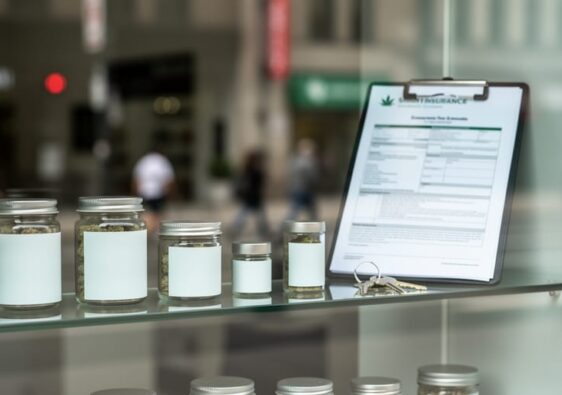
 jane
Big Bud, Critical Mass, and White Widow are the strains growers most often name when the goal is maximum harvest weight, with Northern Lights, Blue Dream, Gorilla Glue #4, Girl Scout Cookies, and Amnesia Haze rounding out the list of eight we cover below. Each earns its place for a different reason. Big Bud has long been a benchmark for sheer bulk, Critical Mass is known for branches that bend under the load, and Northern Lights stays popular because it forgives the mistakes newer cultivators make.
A word of caution before you start comparing numbers. Yield claims vary widely, and many circulating figures come from seed catalogues or forum posts rather than verified trials. Genetics set the ceiling, but grow space, lighting, training technique, nutrition, and harvest timing decide where a crop actually lands. A strain that produces heavily in one room can underperform in another.
For Canadian readers, there’s a second filter that matters just as much: compliance. Licensed producers work within Health Canada’s regulatory framework, and home growers must follow their provincial limits and rules. Yield means little if the operation isn’t compliant. That same regulated market is also creating steady work in cultivation, trimming, quality assurance, and retail, so understanding what makes a strain productive is a practical skill, not just a hobby.
Below, we explain how we selected these strains and where the measurement caveats apply, then profile all eight.
How We Chose These High-Yield Strains and Why Record Claims Need Context
How Yield Is Measured in Cannabis Cultivation
Yield figures only mean something when you know how they were measured, and growers use several different yardsticks. Indoors, the most common is dry flower weight per square metre of canopy. Another is grams per watt of lighting, which rewards efficient setups. Hobby growers often quote grams per plant, while outdoor and greenhouse operations tend to report weight per plant or per acre.
These numbers rarely line up cleanly, because several variables distort comparisons. A grower running sixteen small plants per square metre will see very different per-plant weights than one running a single large plant in the same space. Vegetative time matters too: a longer veg period produces bigger plants but stretches the overall cycle. Training methods such as topping, low-stress training and screen-of-green change how evenly light reaches the canopy, which shifts output.
Trimming standards also matter. Weight reported before a hard trim, or before drying and curing, will always look more impressive than finished, saleable flower. When you see a headline yield, ask what was weighed, in what space, and at what stage. Treat every figure as context rather than a promise.
A Brief History of Cannabis Yield Records
Early cannabis cultivation worked with what nature supplied. Landrace plants, adapted over generations to local climates, were selected mostly for fibre, resin or reliability rather than sheer weight. Yield was a byproduct of survival, and nobody measured it in any standardized way.
That changed as hybridizing took hold. Breeders began crossing regional genetics and keeping the plants that showed vigour, strong branching and a flowering window that suited indoor or short-season outdoor growing. The heavy-producing lineages behind names like Big Bud and Northern Lights came out of this era, when selecting for fast, dense, well-structured plants quietly raised what growers expected from a single plant.
Technology pushed the ceiling higher still. Better lighting, more refined nutrient programs and tighter environmental control meant a good genetic could finally express more of its potential. Much of the jump in reported harvests during these decades owes as much to the grow room as to the seed.
The move to legal markets brought a different kind of discipline. Licensed production requires batch tracking, testing and documented inventory, so yield is now recorded in ways earlier generations never faced. If you want the regulatory backdrop to that shift, the broader cannabis legal history shows how policy change reshaped record-keeping across the industry.
Even now, there is no single authoritative registry of cannabis yield records. Historical claims come from competitions, breeder trials and grower accounts, each using different methods. That is why this article leans on reported ranges and reputation across many harvests rather than any one headline number.
1. Big Bud: A Long-Standing Yield Benchmark
Big Bud earned its reputation by doing one thing exceptionally well: producing heavy, dense flower. This indica-dominant hybrid, developed in the 1980s from Afghani and Skunk #1 lineage, became one of the genetics growers measured everything else against. Its colas stack thick and compact, often weighing down branches by late flowering.
Breeders and growers commonly report indoor yields in the range of 500 to 700 grams per square metre, with outdoor plants in favourable climates producing considerably more per plant. Flowering generally finishes in eight to nine weeks, which keeps cycle times reasonable. These are reported figures, not guarantees, and results shift with environment and technique.
Big Bud grows vigorously and branches well, so it responds nicely to topping and low-stress training. The trade-offs are real, though. Those dense buds hold moisture, which raises the risk of mould in humid conditions, so airflow and humidity control matter. Potency also tends to land moderate compared with newer, resin-forward cultivars. Its lasting place in yield history comes from sheer output and reliability, not peak THC.
2. Critical Mass: Heavy Branches, Dependable Output
Critical Mass earned its name from the weight of its colas. Bred as a cross between Afghani and Skunk #1 lines, it is an indica-dominant hybrid that tends to stack heavy flower along thick, vigorous branches. Reported indoor yields commonly land around 450 to 550 grams per square metre, with outdoor plants often stated in the range of 600 grams or more, though these are breeder and grower figures, not guarantees.
Structure is the practical challenge. Those dense colas can bend or snap lateral branches late in flower, so trellis netting, stakes or plant yo-yos are close to mandatory. Good airflow matters too, since tight, heavy buds raise the risk of mould if humidity creeps up.
The upside is predictability. Critical Mass generally finishes in about eight to nine weeks, adapts well to indoor rooms and greenhouses, and responds reliably to training such as topping or screen-of-green setups. That consistency is why it remains a dependable commercial genetic for cultivators who value steady, repeatable output over chasing a headline number.
3. Northern Lights: Consistent and Cultivator-Friendly
Northern Lights earns its spot on this list for reliability, not raw weight. It’s an indica-dominant classic that stays compact, usually finishing at a modest height that suits tight rooms and low ceilings. Breeders commonly report indoor yields in the mid-range, with a flowering window of roughly seven to nine weeks. Those are reported ranges, not guarantees, and results shift with technique.
What growers value is how forgiving it is. The plant handles minor feeding mistakes and environmental swings better than many finicky cultivars, and it resists mould reasonably well thanks to its dense but manageable structure. For a commercial operation, that predictability matters. A strain that delivers close to its expected output every cycle makes scheduling, staffing and revenue forecasting far easier than a heavier producer that occasionally fails.
Compared with large-framed varieties like Blue Dream or Amnesia Haze, Northern Lights won’t produce the biggest single harvest. But shorter veg time, faster turnaround and fewer failed runs can narrow that gap over a full year of production.
4. White Widow: Yield Meets Market Appeal
White Widow earns its place on this list because it pairs dependable weight with a name consumers already recognize. This long-established hybrid is known for heavy resin coverage, and growers commonly report moderate-to-good yields, often cited in the range of 450 to 550 grams per square metre indoors. Those are breeder-stated figures, not guarantees, and results shift with training, lighting and environment.
Flowering typically wraps up in roughly eight to ten weeks, which keeps cycle times reasonable. The plants stay manageable in height and respond well to topping and screen-of-green techniques, so cultivators can fill canopy space efficiently without wrestling an oversized frame.
The commercial case goes beyond the scale. Strong brand familiarity means fewer questions at the counter and steadier demand, which helps producers and retailers plan inventory with more confidence. For Canadian licensed producers, that recognition, combined with solid resin production and consistent quality, makes White Widow a practical choice where yield and marketability both count.
5. Blue Dream: A Popular High-Yield Sativa-Dominant Hybrid
Blue Dream is a sativa-dominant hybrid, typically described as a cross of Blueberry and Haze, and it has earned a reputation as a vigorous, forgiving producer. Growers often report that it builds large plants with plenty of lateral branching, which is why it tends to do especially well outdoors and in greenhouses where roots and canopy have room to spread.
Breeder-stated and grower-reported figures commonly put indoor output at roughly 400 to 600 grams per square metre, while well-managed outdoor plants can yield several hundred grams each or more. Treat those as ranges rather than promises, since training, veg time and climate shift results considerably.
Space is the main trade-off. Blue Dream stretches in early flower, so indoor growers usually need height headroom and active canopy management such as topping or low-stress training. Flowering generally runs about nine to ten weeks.
Its consumer popularity is just as notable. Familiar to many buyers, it remains a dependable commercial choice for licensed producers balancing volume with recognizable demand.
6. Gorilla Glue #4: High Potency With Substantial Output
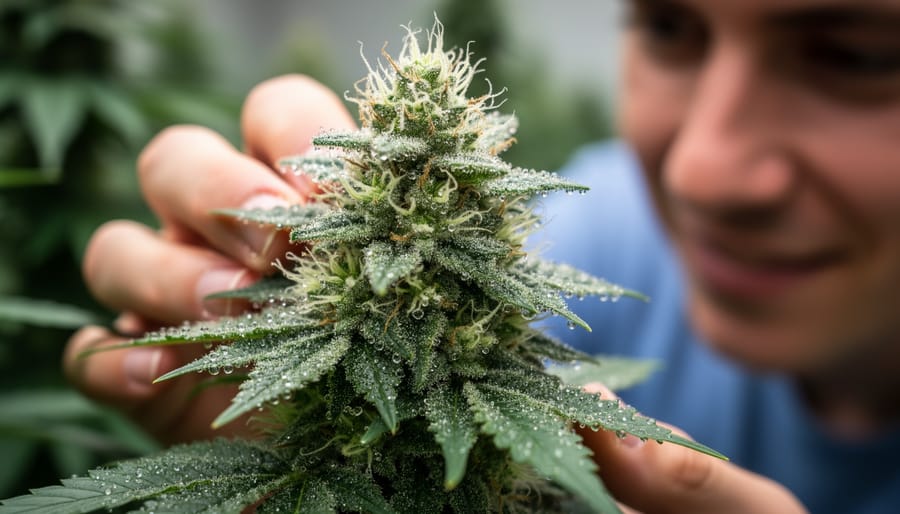
Gorilla Glue #4, often shortened to GG4, shows how far breeding has moved past the old trade-off between weight and quality. Growers typically describe a resin-heavy flower with strong potency and a bud structure that fills out well under good lighting. Breeder-stated yields commonly land in the moderate-to-high range, roughly 500 to 650 grams per square metre indoors, though results swing with training, environment and harvest timing. Treat those figures as reported ranges, not guarantees.
Retailers should know that the name has been the subject of trademark disputes, so it pays to verify naming and sourcing with your licensed producer before stocking or labelling anything as GG4. Heavy resin can also mean a premium price point, which makes accurate product information matter even more.
A compliant, well-documented supply chain supports the wider business, from medical access rules to dispensary insurance an insurance buying guide and cannabis rewards that keep customers returning.
7. Girl Scout Cookies: Quality-Forward With Respectable Yields
Girl Scout Cookies, often shortened to GSC, shows that weight is only one side of the commercial equation. This dessert-style hybrid is widely reported to deliver moderate-to-good yields, generally below what the heaviest producers on this list can manage. Breeder and grower accounts typically describe a medium-sized plant with a flowering window of roughly nine to ten weeks.
What GSC gives up in sheer volume, it often recovers in value. Consumers seek it out for its sweet, earthy flavour profile and strong potency, and that demand can support premium pricing per gram. A grower who harvests less flower but sells it at a higher price may come out ahead of one chasing maximum weight with a less sought-after cultivar.
GSC does ask for attentive cultivation. It responds well to training, careful environmental control and a patient dry and cure, since its aromatic character is a big part of what buyers are paying for. For licensed producers, it illustrates a core principle: the highest yield is not always the highest return.
8. Amnesia Haze: Large Sativa Yields With Longer Cycles

Amnesia Haze is the clearest case of why weight per plant tells only half the story. This sativa-dominant cultivar can produce large, airy harvests, and breeders often cite generous per-plant figures, particularly with a long vegetative phase and plenty of headroom. But it is a demanding grower’s strain. Flowering commonly runs ten to twelve weeks or longer, and the plants stretch aggressively, so canopy management and ceiling height become real constraints.
That longer cycle changes the math. A strain that yields 15 percent more per harvest but needs three extra weeks can still lose to a faster cultivar once you count annual output. A room that turns over five or six times a year with an eight-week variety will often out-produce the same space running Amnesia Haze, even if each Haze harvest looks bigger on the scale.
For commercial planning, that means comparing grams per square metre per year, not per cycle, and factoring in labour, energy and room occupancy. Amnesia Haze rewards experienced cultivators who value its character, but it is rarely the simplest route to maximum annual volume.
What Affects Yield Beyond Genetics
Genetics set the ceiling, but the grow room decides how close a crop gets to it. Two cultivators running identical clones can finish with very different weights.
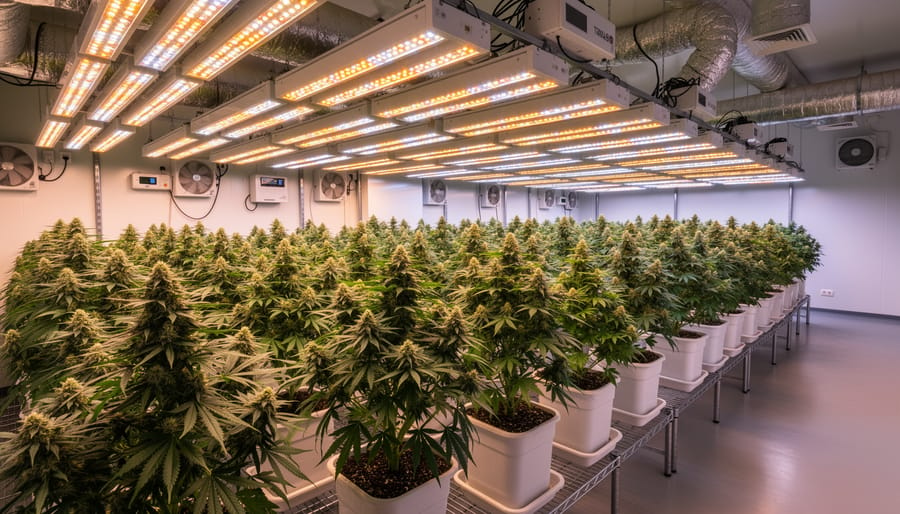
Lighting comes first. Intensity, spectrum and coverage drive photosynthesis, and uneven canopies leave lower bud sites underdeveloped. Environment control matters just as much. Temperature, humidity and airflow all affect plant stress, and a humidity-sensitive dense-flowering cultivar like Big Bud can lose a good share of its crop to mould if airflow slips.
Nutrient management is a balancing act. Underfeeding caps growth, while overfeeding burns roots and can leave harsh-tasting flower. Training techniques such as topping, low-stress training and defoliation spread light across more bud sites, which helps big-framed plants like Blue Dream or Amnesia Haze use their space efficiently. Harvest timing shifts both weight and potency, since cutting early sacrifices yield and cutting late can degrade terpenes.
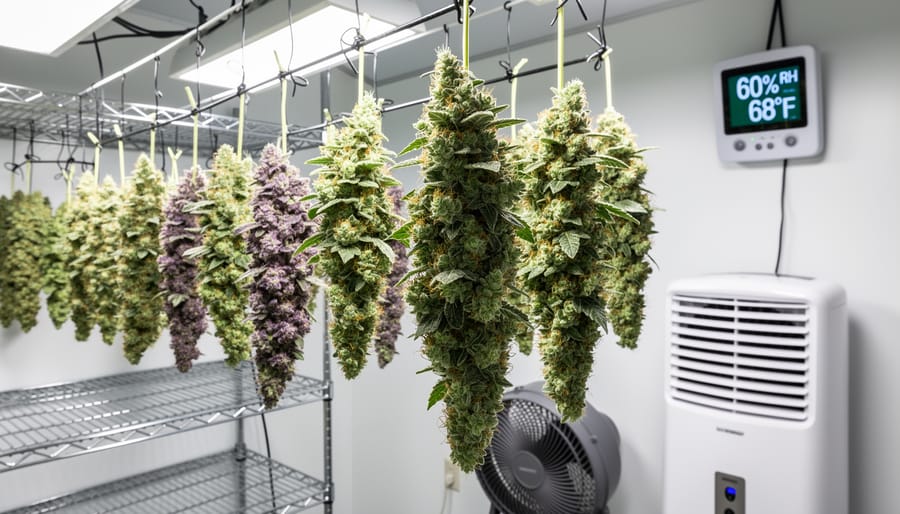
Then come the losses nobody counts at the start. Drying and curing remove water weight, and rushed or poorly controlled drying can strip aroma or invite mould. Pest and mould pressure, from spider mites to botrytis in dense colas, can wipe out a harvest after months of work.
Weight alone doesn’t make a harvest marketable. In Canada, licensed producers must meet testing, labelling and safety requirements, including limits on contaminants and accurate potency reporting. A large batch that fails testing is a loss, not a win. Quality, compliance and consumer safety determine what actually reaches the shelf, which is why experienced growers measure success by sellable, compliant flower rather than raw grams.
Yield, Compliance and Opportunity: What It Means for Canadian Retailers and Growers
Yield knowledge matters in Canada because it feeds directly into supply, and supply shapes what retailers can stock and at what price. When licensed producers grow heavy-yielding genetics efficiently, supply tends to be more stable, which can ease pricing pressure. Weight alone never decides what reaches the shelf, though. Every harvest still has to meet federal testing, packaging and labelling requirements, so a big crop that fails on safety or accuracy isn’t a sellable crop.
For retailers, this means sourcing only from licensed producers. That protects customers, keeps labelling and potency information reliable, and keeps your business on the right side of the rules. A compliant supply chain also supports real jobs across cultivation, processing, distribution and retail, and it gives consumers a safe, tested alternative to the illicit market.
Which cannabis strain has the highest yield?
No single strain wins every time. Big Bud, Critical Mass and Blue Dream are often reported among heavy producers, but results depend on the grower and the setup.
Are record yield claims verified?
Often they aren’t. Many come from breeder trials, competitions or grower reports rather than independent, standardized measurement, so treat them as context, not guarantees.
Does higher yield mean lower quality?
Not necessarily. Strains like Gorilla Glue #4 show that strong output and high potency can coexist, though trade-offs do exist between weight and flavour or resin.
Can retailers source specific strains?
Retailers can only stock what licensed producers make available. Check each product’s labelling and testing information before listing it.
Understanding yield won’t replace compliance expertise, but it helps you read the market, ask better questions of suppliers and plan inventory with confidence.
The Takeaway on High-Yield Strains and Historical Records
High yield comes from genetics paired with skilled cultivation, and the strains above show how differently that can play out. Historical records are best read as useful context rather than guarantees, since many claims were never independently measured. Quality, testing and compliance are what keep the industry sustainable.
If you’re building a business in this space, Canadian Cannabis Retailers offers resources for entrepreneurs who want to operate responsibly and create lasting employment in the regulated market.