
 jane
Securing comprehensive insurance for a cannabis retail operation requires navigating a specialized market where coverage options, underwriting criteria, and policy costs differ substantially from traditional retail businesses. Cannabis retailers need several core insurance types: general liability to protect against customer injuries and third-party claims, product liability to cover contamination or labeling issues, property insurance for inventory and facilities, and employment practices liability. The coverage you need depends on your business model, whether you operate a storefront, offer delivery services, or handle cultivation, as each activity carries distinct risk exposures.
The insurance landscape for cannabis businesses in Canada has matured since federal legalization, yet obtaining appropriate coverage remains more complex than for conventional retailers. Many traditional insurers still exclude cannabis-related businesses from standard commercial policies, directing operators to specialized carriers who understand the industry’s unique regulatory requirements and operational risks. This specialized market means retailers must often work with brokers experienced in cannabis insurance and should expect more detailed underwriting scrutiny, including questions about security measures, employee training protocols, compliance history, and product sourcing practices.
Making informed insurance decisions requires understanding which coverage types are essential versus optional, how underwriters assess cannabis-specific risks, and where common gaps in protection occur. This guide examines the insurance options available to Canadian cannabis retailers, identifies the factors that influence coverage suitability and cost, and provides actionable recommendations for building an insurance program that protects your business while meeting regulatory obligations.
Essential Coverage Factors for Cannabis Retailers
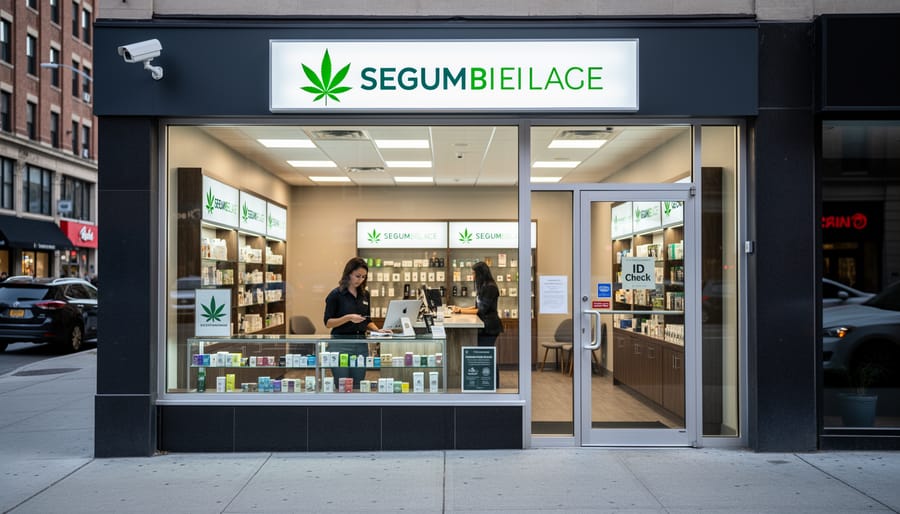
Cannabis retailers face a fundamentally different risk profile than conventional businesses, which means your insurance evaluation must account for factors that don’t exist in other retail sectors. Understanding these elements helps you identify coverage gaps before they become costly problems.
Regulatory Compliance and Licensing Protection
Your insurance needs begin with meeting strict compliance requirements at both federal and provincial levels. Provincial licensing bodies often mandate minimum insurance coverage as a condition of maintaining your retail authorization. These requirements vary across jurisdictions, what satisfies regulators in British Columbia may differ from Ontario’s standards. Your policy must explicitly acknowledge cannabis operations, as standard commercial policies typically exclude controlled substances. Failing to maintain compliant coverage can trigger license suspension or revocation, making this your foundational consideration.
Product Liability Exposure Assessment
Cannabis products carry inherent consumption risks that create substantial liability exposure. Edibles, concentrates, and vaping products each present different risk profiles based on potency, manufacturing processes, and consumption methods. Your coverage must account for potential claims ranging from adverse reactions to contamination concerns. The source of your products matters, selling inventory from licensed producers with their own insurance provides different protection than products without established manufacturing safeguards. Consider how your product mix, customer education practices, and quality control measures influence your liability exposure.
Property and Inventory Valuation Challenges
Cannabis inventory presents unique valuation complexities that affect coverage adequacy. Unlike standard retail goods, cannabis products require specialized storage, security, and handling. Your policy must accurately reflect replacement costs for inventory, specialized equipment like humidity-controlled storage, and security infrastructure mandated by regulations. Many retailers underestimate the value concentration in relatively small physical spaces. Document your inventory thoroughly and update valuations as product mix and stock levels change throughout the year.
Business Interruption Scenarios
Revenue protection becomes critical when forced closures occur. Regulatory violations, security breaches, property damage, or supplier disruptions can halt operations abruptly. Business interruption coverage should account for your fixed costs during closure periods, including lease payments, employee wages, and regulatory compliance expenses that continue regardless of sales. Consider how long you could sustain operations without revenue and whether your coverage period matches that exposure.
Critical Evaluation Factors
When selecting coverage, assess these essential elements:
- Explicit cannabis operations acknowledgment in all policy documents
- Insurer’s demonstrated experience and claims history in the cannabis sector
- Coverage scope for all aspects of your operations, from storage to point-of-sale
- Policy exclusions that might leave gaps in protection
- Claims process accessibility and insurer responsiveness to cannabis businesses
- Flexibility to adjust coverage as regulations and business operations evolve
Employee Coverage Considerations
Workers’ compensation requirements apply to cannabis retailers just as they do to other businesses, but your employee coverage extends beyond statutory minimums. Employment practices liability protects against wrongful termination, discrimination, and harassment claims. As your workforce grows, proper coverage supports both legal compliance and the employment opportunities your business creates. Consider whether your coverage addresses employee training requirements, workplace safety protocols specific to cannabis handling, and protection for managers making hiring decisions in a rapidly expanding sector.
Each factor interacts with the others to shape your total coverage needs and influence premium calculations. A retailer with extensive security measures, rigorous employee training, and established supplier relationships presents different risk characteristics than a new operation still developing these systems.
Types of Cannabis Insurance Coverage Compared
General and Product Liability Coverage
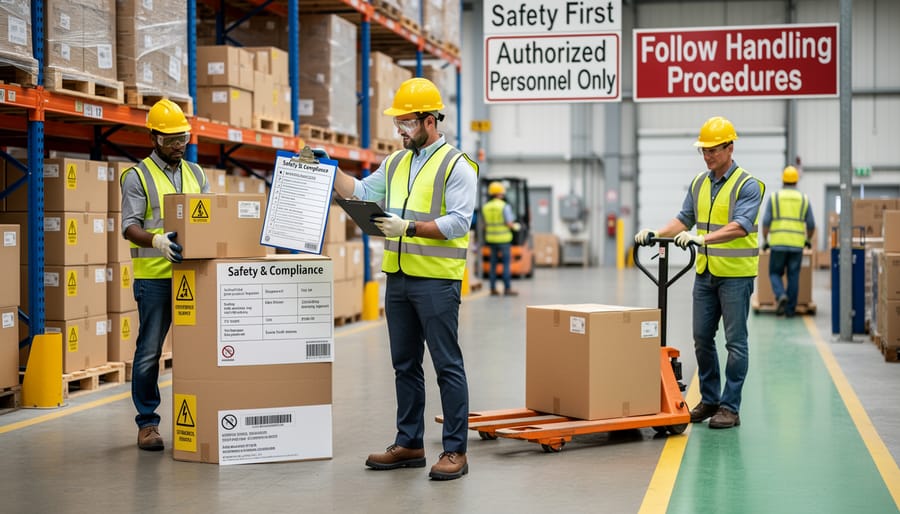
General liability and product liability represent two distinct types of coverage that every cannabis retailer needs, though they protect against different risks. General liability covers third-party bodily injury and property damage occurring on your premises or during your business operations. This includes scenarios like a customer slipping on a wet floor in your dispensary or damage caused during a delivery. It protects your business from lawsuits stemming from day-to-day operational hazards.
Product liability, by contrast, specifically covers harm caused by products you sell. For cannabis retailers, this coverage addresses risks from consumption, including adverse reactions, unexpected potency effects, contamination issues, or allergic responses. Product liability becomes particularly critical in cannabis retail because regulators scrutinize product-related incidents intensely, and consumption risks carry both legal and reputational consequences. Courts and licensing authorities expect retailers to maintain rigorous safety standards for products that customers ingest or inhale.
Unlike general merchandise, cannabis products affect users physiologically, creating exposure to claims around impaired judgment, health complications, or interactions with medications. Product liability also covers defense costs if a customer alleges your product caused harm, even when claims lack merit. Given the heightened regulatory environment and evolving product formats like edibles, concentrates, and topicals, robust product liability coverage protects your business license and financial stability when incidents occur.
Property, Inventory, and Business Interruption
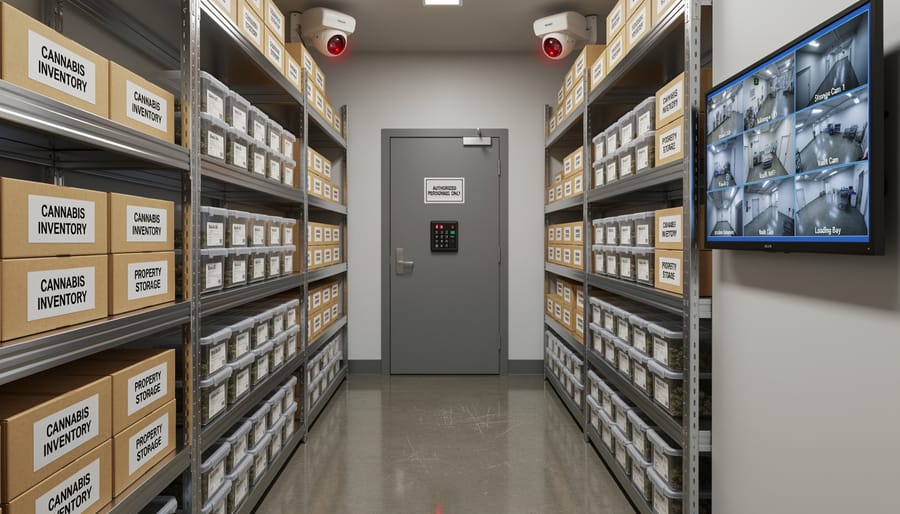
Commercial property insurance protects your retail location, equipment, and fixtures against fire, theft, and vandalism. For cannabis retailers, property and inventory coverage presents unique valuation challenges because cannabis products can’t be replaced at wholesale cost if your supplier experiences delays or regulatory issues. Your policy must account for actual replacement value, including the time needed to source compliant products through licensed suppliers.
Inventory coverage requires careful attention to storage conditions and security measures. Insurers typically mandate specific safeguards like monitored alarm systems, video surveillance, and secure storage areas. You’ll need detailed inventory tracking systems to document stock levels for claims purposes, and your coverage limits should reflect seasonal fluctuations in inventory value.
Business interruption insurance replaces lost income if you’re forced to close temporarily due to covered property damage or regulatory action. This coverage calculates your typical revenue and operating expenses, then compensates you during the closure period while you maintain payroll and other fixed costs. Document your monthly sales patterns and keep detailed financial records, as insurers require this information to process claims.
Security system failures can void coverage, so maintain equipment properly and keep service records. Some policies exclude losses from power outages unless you have backup systems, which makes generator installation worth considering for temperature-controlled inventory storage.
Employment and Specialized Coverages
Workers’ compensation is mandatory across Canadian provinces for cannabis retailers with employees, covering workplace injuries, illnesses, and rehabilitation costs. Beyond this baseline requirement, employment coverage should include employment practices liability insurance to protect against claims of wrongful termination, discrimination, or harassment, risks that increase as retailers expand their teams to meet customer demand.
Cyber liability insurance has become increasingly critical as cannabis retailers collect sensitive customer information through loyalty programs, online ordering systems, and electronic payment platforms. This coverage addresses data breach notification costs, regulatory fines, and customer notification expenses following security incidents. Cannabis businesses face elevated cyber risks due to banking restrictions that limit payment options and force reliance on digital systems.
Directors and officers insurance protects leadership from personal liability related to business decisions, particularly valuable given the evolving regulatory environment and potential for compliance disputes. As the cannabis sector creates employment opportunities across retail, cultivation, and distribution, proper coverage demonstrates organizational maturity and protects both the business and its workforce from emerging risks that standard policies may not address.
Selecting the Right Insurance Provider

Finding an insurance provider with genuine cannabis expertise separates adequate coverage from a partnership that protects your business as regulations shift and your operations expand. The right provider understands that cannabis retail faces unique risks not covered by standard business policies and can structure protection accordingly.
Start by verifying the insurer’s experience specifically with cannabis businesses. Ask how many cannabis retailers they currently insure, how long they’ve served the sector, and whether they employ underwriters who specialize in cannabis operations. Providers new to the space may offer coverage but lack the nuanced understanding of inventory valuation challenges, security requirements, and product liability concerns that experienced cannabis insurers possess. Request references from current cannabis retail clients and ask those retailers about their claims experience and responsiveness.
Financial strength matters considerably when selecting an insurer. Review the carrier’s financial ratings from agencies like A.M. Best or Standard & Poor’s, looking for ratings that indicate strong capitalization and claims-paying ability. A financially unstable insurer may struggle to pay large claims or could exit the cannabis market entirely, leaving you searching for replacement coverage mid-policy term.
Policy customization capabilities reveal how well a provider can adapt to your specific operation. Cannabis retailers vary widely in size, product mix, security infrastructure, and risk exposure. The right provider offers flexible coverage options rather than forcing every retailer into identical policies. Ask whether they can adjust coverage limits as your inventory grows, add endorsements for specific risks like product recall, and modify terms to align with your lease requirements or supplier contracts.
Ongoing support distinguishes true partners from transactional providers. Cannabis regulations continue evolving at both federal and provincial levels. Your insurer should proactively inform you about regulatory changes affecting coverage requirements, help you understand how business expansions impact your policies, and make underwriters accessible for questions. Providers who understand the compliance landscape can guide you through licensing renewals, security upgrades, and operational changes that affect your risk profile.
Finally, evaluate the broker or agent representing the insurer. Independent brokers with cannabis specialization can compare offerings from multiple carriers, while captive agents represent single insurers. Either can serve you well if they demonstrate deep cannabis knowledge, but independent brokers provide more options for finding the best fit for your specific needs and budget.
Common Insurance Mistakes Cannabis Retailers Must Avoid
Cannabis retailers frequently make costly errors when purchasing insurance coverage, often discovering gaps only when filing a claim. Understanding these common mistakes helps protect both your business assets and regulatory compliance status.
Many retailers underestimate the true replacement value of their cannabis inventory. Unlike conventional retail products, cannabis inventory requires specialized valuation that accounts for production costs, regulatory compliance testing, packaging requirements, and market fluctuations. Retailers often insure inventory at wholesale cost rather than full replacement value, leaving them unable to restock after a loss. Work with your insurance provider to establish accurate inventory valuation methods that reflect current market conditions and include all costs required to bring products to market legally.
Failing to update coverage as your business grows creates dangerous protection gaps. A retailer who starts with a single location and limited product lines needs different coverage than one operating multiple stores with expanded offerings. Review your policies annually and after any significant business changes such as opening new locations, adding delivery services, or expanding product categories. Each growth step introduces new risks that require corresponding coverage adjustments.
Product recall coverage represents one of the most commonly overlooked protections. Cannabis products face recall risks from contamination, labeling errors, potency discrepancies, or packaging failures. Without dedicated recall coverage, retailers bear the full cost of retrieving products, notifying customers, disposing of affected inventory, and managing the associated business interruption. Given the strict regulatory environment surrounding cannabis, recall scenarios carry both immediate financial impact and potential licensing consequences.
Policy exclusions specific to cannabis operations catch many retailers off guard. Standard business policies often exclude cannabis-related activities entirely, while specialized cannabis policies may exclude certain product types, delivery methods, or operational practices. Read exclusions carefully and question anything unclear. Understanding what your policy does not cover matters as much as knowing what it does.
Certificate of insurance requirements for suppliers and partners deserve proactive attention. Many wholesale suppliers, landlords, and business partners require proof of specific coverage types and minimum limits. Failing to maintain proper certificates can disrupt supply chains or violate lease agreements. Keep current certificates readily available and notify your insurance provider promptly when partners request additional insured status or specific endorsements.
Assuming existing business policies automatically cover cannabis operations creates perhaps the most dangerous gap. Even if you hold business insurance from before entering the cannabis sector, those policies likely exclude cannabis activities. Operate under explicit cannabis-specific coverage rather than assumptions about existing policies. Verify coverage in writing and ensure your insurer knows you operate a licensed cannabis retail business. This transparency protects you from claim denials and ensures compliance with licensing requirements that mandate appropriate insurance coverage.
Building Your Coverage Strategy
Building your insurance coverage strategy requires a methodical approach that evolves with your retail operation. Start by conducting a thorough risk assessment of your specific business model. Walk through your premises and identify all potential liability exposures, from customer interactions in your retail space to product handling procedures. Document every asset, including your inventory valuation method, security systems, point-of-sale equipment, and leasehold improvements. This inventory becomes your foundation for determining appropriate coverage levels.
Next, research insurance providers who specialize in cannabis retail. Contact multiple brokers to obtain comparable quotes, ensuring each proposal addresses the same core coverages. When comparing options, look beyond premium costs to evaluate policy terms, exclusions, deductibles, and the insurer’s claims responsiveness. Ask providers about their experience with cannabis retailers in your province and request examples of how they’ve handled claims similar to potential scenarios in your operation.
Schedule annual policy reviews to align coverage with business growth. As you expand product lines, add employees, or increase inventory values, your insurance needs will change. Many retailers discover they’ve outgrown their initial coverage only when filing a claim. Establish a calendar reminder to review policies before renewal, giving you time to adjust coverage or shop alternatives if your current provider no longer fits your needs.
Maintain comprehensive compliance documentation that supports your insurance applications and claims. Keep records of employee training programs, security system maintenance, inventory tracking procedures, and adherence to retailer access rules. Insurers view well-documented compliance practices favourably, and this evidence proves invaluable if you need to demonstrate due diligence during a claim investigation.
Integrate insurance planning into your broader business strategy rather than treating it as an isolated expense. When you’re considering new product categories, consult your broker about coverage implications before launch. As regulations evolve, proactive retailers adjust their risk management practices and insurance coverage accordingly, maintaining both legal compliance and financial protection.
What to Look For
When selecting cannabis insurance, prioritize providers with documented cannabis retail experience. The specialized nature of this industry means generic business insurers often lack the expertise to properly assess your risks or structure appropriate coverage. Look for carriers who understand provincial licensing requirements and can demonstrate successful claims handling in the cannabis sector.
Policy flexibility matters significantly as your business evolves. Seek coverage that adapts to inventory fluctuations, seasonal variations, and expansion plans without requiring complete policy rewrites. Your insurer should offer scalable solutions that grow with your operation rather than forcing you into rigid coverage tiers.
Evaluate the insurer’s financial stability through independent ratings. A lower premium means nothing if the carrier can’t pay claims when you need them. Check their claims response time commitments and assigned adjuster availability, cannabis businesses can’t afford prolonged disruptions while waiting for claim resolutions.
Review policy exclusions carefully before purchasing. Standard exclusions may eliminate coverage for scenarios you face regularly, like product recalls or contamination events. Understanding what’s not covered proves as important as knowing what is.
Consider the broker’s ongoing support capabilities. Cannabis regulations shift frequently, and you need a partner who proactively informs you of compliance changes affecting your coverage. The right broker acts as a risk management consultant, not just a policy salesperson.
Cannabis Insurance Questions Answered
Is cannabis insurance available in all Canadian provinces?
Yes, cannabis insurance is available across Canada, though availability of specific coverage types and the number of insurers offering policies varies by province. Retailers in provinces with more established cannabis markets typically have access to more competitive options and specialized providers.
What happens if I need to file a claim?
The claims process for cannabis insurance follows standard commercial insurance procedures: you report the incident to your insurer immediately, document the loss with photos and records, and work with the claims adjuster to verify coverage and damages. Having thorough documentation of your inventory, security measures, and compliance practices helps expedite the process.
Do security measures affect my insurance costs?
Yes, implementing robust security systems can positively influence your premiums. Insurers view comprehensive surveillance, alarm systems, restricted access controls, and inventory tracking as risk-reducing measures that demonstrate professional operations and regulatory compliance.
Does insurance cover online sales and delivery?
Coverage for e-commerce and delivery operations requires specific policy provisions beyond standard retail coverage. You need to ensure your policy explicitly includes product liability for delivered items, coverage during transit, and cyber liability for customer data collected through online transactions.
Beyond these common questions, retailers often ask about insurance requirements for licensing renewals. Provincial licensing authorities typically require proof of insurance as part of both initial applications and ongoing compliance. You must maintain certificates of insurance that meet or exceed minimum coverage requirements specified by your provincial regulator, and these requirements can change as regulations evolve.
Policy renewal timing matters for continuous coverage and compliance. Most cannabis insurance policies run on annual terms, and you should begin the renewal process at least 60 days before expiration. This gives you time to reassess your coverage needs, compare options if your business has grown, and ensure no coverage gaps occur that could jeopardize your license.
Another frequent concern involves whether standard business insurance policies can be modified to cover cannabis operations. The answer is generally no. Cannabis retail requires specialized underwriting due to the unique regulatory environment, product liability considerations, and security requirements. Attempting to operate under generic business coverage leaves you exposed to claim denials and potential licensing violations.
Retailers also wonder about coverage for product recalls. While not always included in standard policies, product recall insurance is increasingly important as the industry matures. If a contamination issue or labeling error affects products you’ve sold, recall coverage helps pay for notification costs, product retrieval, and replacement expenses. Given the safety standards required in cannabis retail, this protection warrants serious consideration.
Securing appropriate insurance coverage represents both a regulatory requirement and a fundamental business protection strategy for cannabis retailers operating in Canada’s legal market. The decisions you make about coverage types, policy limits, provider selection, and ongoing risk management directly impact your ability to maintain compliance, protect your investment, and sustain operations through unforeseen challenges.
Effective cannabis insurance isn’t a checkbox exercise completed once at licensing. It’s an evolving component of your business strategy that should adapt as your operations grow, regulations shift, and your risk profile changes. The retailers who treat insurance as an ongoing priority, conducting annual reviews, updating coverage to match inventory and revenue changes, and maintaining open dialogue with specialized brokers, position themselves for long-term success.
Proper coverage does more than satisfy licensing requirements. It protects the employment opportunities you’ve created, safeguards the community relationships you’ve built, and ensures that a single incident doesn’t derail years of careful business development. The cannabis retail sector continues to mature, and comprehensive insurance remains a cornerstone of responsible, sustainable operations.
Invest the time to thoroughly research your options, compare specialized providers, and work with professionals who understand cannabis-specific risks. Your business, your employees, and your customers deserve that level of protection.