 jane
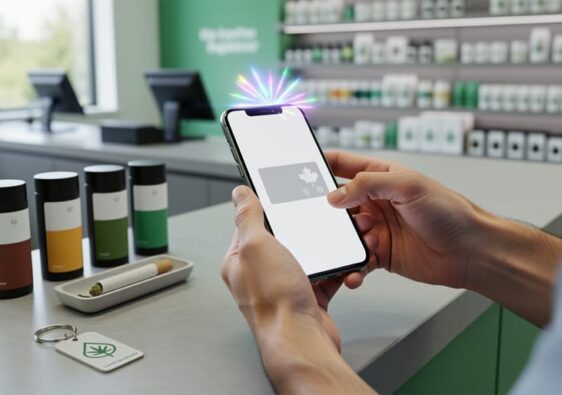
In Canada, no medical card is required to purchase cannabis from a licensed recreational dispensary. Since legalization in 2018, any adult aged 19 or older (18 in Alberta and Quebec) can walk into a legal retail store or order online without medical authorization, making cannabis access straightforward for recreational consumers nationwide.
This represents a fundamental difference from the U.S. patchwork system, where many states still require medical documentation for cannabis purchases. Canadian consumers benefit from a dual-track framework: recreational access through provincially licensed retailers with no paperwork, and a separate medical cannabis program administered through Health Canada for patients seeking higher potency products, broader product formats, and tax exemptions.
The confusion around medical cards typically stems from cross-border information. American consumers searching for “no medical card required dispensary” are often looking for recreational outlets in newly legalized states. Canadian retailers fielding similar questions should clarify that the country’s federal legalization eliminated the need for medical cards in recreational channels, though the medical program continues to serve registered patients through different pathways.
Understanding this distinction matters for compliance and customer education. Recreational dispensaries operate under provincial retail frameworks with standardized product limits and purchasing rules. Medical cannabis, while accessible without visiting a recreational store, requires registration with a licensed producer and authorization from a healthcare practitioner. Both systems function independently, offering consumers and patients clear, legal options tailored to their needs.
For retailers, addressing this search term presents an opportunity to educate customers about Canada’s accessible legal framework while maintaining professional standards that distinguish licensed operators from informal sources.
Understanding Canada’s Medical Cannabis Authorization System
Healthcare Provider Authorization Requirements
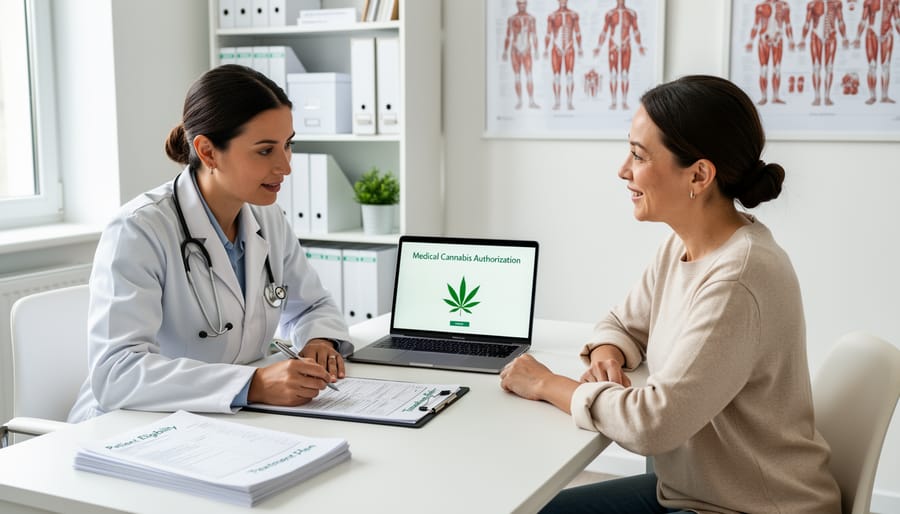
Under Canada’s medical cannabis framework, healthcare practitioners play a central role in determining patient eligibility. A physician or nurse practitioner must assess whether cannabis is appropriate for a patient’s condition and issue a formal medical document authorizing its use. This authorization specifies the daily gram amount the patient may access and the duration of authorization, typically up to one year.
The healthcare provider’s document serves as the foundation for the patient’s authorization and Health Canada registration process. Patients cannot access medical cannabis through federally licensed sellers without this authorization, and the document must include specific details such as the patient’s name, the practitioner’s registration information, and the authorized daily quantity.
For retailers serving medical cannabis patients, understanding this authorization requirement is essential. Unlike recreational customers who simply need proof of age, medical patients present their registration documents when purchasing from licensed sellers. This system ensures medical cannabis access remains under professional healthcare oversight while eliminating the need for a physical “medical card” that searchers from other jurisdictions might expect.
Health Canada Registration Process
Once a healthcare practitioner provides medical cannabis authorization, patients must complete Health Canada’s registration process to access products through the regulated system. This registration creates a formal record linking the patient’s authorization to their chosen access pathway, either purchasing from a federally licensed seller or producing their own supply.
The registration application requires patients to submit their healthcare provider’s authorization document along with personal identification and specific details about their intended access method. Health Canada reviews these applications to verify the authorization is legitimate and that the patient meets eligibility requirements under the Cannabis Act.
Upon approval, patients receive confirmation of their registration status. For those choosing to purchase from licensed sellers, this registration enables them to buy medical cannabis products directly from federally licensed retailers. Patients selecting personal production must register separately with Health Canada to produce a limited amount of cannabis for their own medical purposes, as the current rules allow.
This registration system ensures all medical cannabis access occurs within legal channels and maintains proper documentation, eliminating any “no medical card required” pathway in Canada’s framework. Retailers serving medical patients should understand that valid Health Canada registration confirms a customer’s legal authorization to purchase medical cannabis products.
Federal Licensing Requirements for Cannabis Retailers
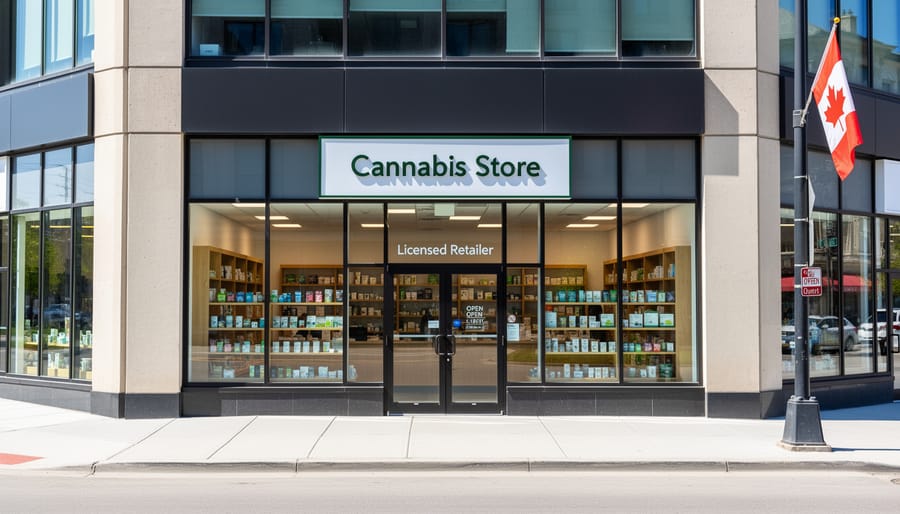
Operating a cannabis retail business in Canada requires strict adherence to federal licensing standards, regardless of whether you serve medical patients, recreational consumers, or both. The Cannabis Act, which took effect on October 17, 2018, established a comprehensive regulatory framework that governs every aspect of the cannabis supply chain.
Every cannabis retailer must obtain a federal licence for medical or non-medical purposes before cultivating, processing, or selling cannabis products. There is no such thing as a “no medical card required dispensary” operating outside this framework, all legal cannabis businesses in Canada function under federal oversight, with additional provincial and territorial regulations layered on top.
The licensing process demands rigorous compliance documentation. Applicants must demonstrate secure facilities with appropriate physical security measures, including restricted access areas and surveillance systems. You’ll need detailed standard operating procedures covering everything from inventory tracking to quality assurance protocols. Health Canada evaluates each application to ensure operators can meet good production practices and maintain product safety standards.
Licensed retailers face ongoing compliance obligations that extend far beyond the initial approval. You must implement seed-to-sale tracking systems that document every gram of cannabis moving through your business. Regular reporting to Health Canada is mandatory, and inspectors can audit your operations without advance notice. Non-compliance carries serious consequences, including licence suspension or revocation, substantial fines, and potential criminal charges.
The distinction between medical and recreational licensing has blurred considerably since 2018. Most retailers now hold licences that allow them to serve both markets, though selling to medical patients requires additional documentation and record-keeping. Medical sales involve verifying patient registration with Health Canada and maintaining records of those transactions separately from recreational purchases.
Provincial and territorial governments add another compliance layer. Each jurisdiction sets its own rules for retail operations, from store location restrictions to operational hours and product display requirements. Retailers must navigate both federal licensing standards and local regulations simultaneously, making legal compliance a complex, ongoing responsibility that demands dedicated resources and expertise.
How Medical Cannabis Patients Access Products
Direct Purchase from Licensed Sellers
Medical cannabis patients in Canada purchase their products directly from federally licensed sellers who hold the necessary authorization under the Cannabis Act. Unlike recreational purchases, patients must provide specific documentation to access medical cannabis through this pathway.
When buying from a licensed seller, patients need their authorization document from a healthcare practitioner and proof of their registration with Health Canada. The authorization specifies the daily amount of cannabis approved for the patient’s medical use. Licensed sellers verify this documentation before processing medical cannabis orders, ensuring compliance with federal regulations.
This direct purchase model differs significantly from what people searching for “no medical card required dispensary” might expect. Canada’s system doesn’t use medical cards in the traditional sense. Instead, it relies on healthcare provider authorization and federal registration, creating a structured pathway that maintains medical oversight while providing patients reliable access to quality-controlled cannabis products.
Licensed sellers maintain detailed records of all medical cannabis transactions, including patient registration information and quantities sold. This documentation protects both the retailer and the patient, demonstrating compliance with Health Canada’s strict regulatory framework for medical cannabis distribution.
Personal Production Registration
Under Canada’s medical cannabis framework, patients who obtain authorization from their healthcare practitioner can register with Health Canada to cultivate limited quantities for personal medical use. This personal production option emerged alongside the Cannabis Act’s implementation in October 2018, providing an alternative to purchasing from federally licensed sellers.
To register for personal cultivation, authorized patients must submit a formal application to Health Canada that includes their healthcare practitioner’s authorization document. The registration specifies production limits based on the authorized daily dosage, typically calculated using Health Canada’s formulas. Once approved, registered individuals can grow their allotted number of plants at a designated location, subject to municipal and provincial restrictions.
This registration process differs fundamentally from recreational home cultivation, which allows adults to grow up to four plants per household without medical authorization. Medical registrants follow stricter guidelines but can cultivate quantities exceeding recreational limits when medically justified. Retailers should understand this distinction when advising customers, as medical patients seeking self-production still require proper Health Canada registration rather than simply purchasing seeds and growing without documentation. The system maintains oversight while providing patients with cost-effective access to their medicine.
Recreational vs. Medical Cannabis Access: What Retailers Must Know
Since the Cannabis Act took effect, Canada operates two distinct cannabis access channels that retailers must understand and keep separate.
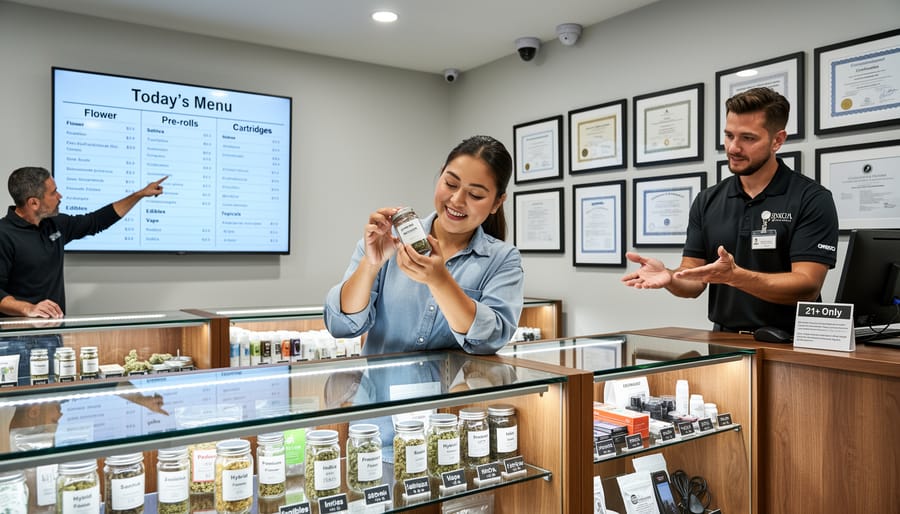
Recreational cannabis became legal for adults since October 17, 2018 allowing anyone 18 or 19 years old (depending on province) to purchase cannabis from licensed retailers without any authorization. No documentation beyond age verification is required. Medical cannabis access, by contrast, requires authorization from a healthcare practitioner and registration with Health Canada, granting patients access to products with different potency limits and tax treatment.
- Recreational Access
- Purchase of cannabis by adults from provincially licensed retailers without requiring any medical authorization or health documentation, limited to age verification only.
- Medical Authorization
- Written approval from a healthcare practitioner confirming that a patient may benefit from cannabis for medical purposes, required before registering with Health Canada or a licensed seller.
- Federal Licensing
- Mandatory licence issued by Health Canada to cultivate, process, or sell cannabis for either medical or non-medical purposes in Canada.
The search term “no medical card required dispensary” reflects confusion imported from U.S. state systems where medical cards unlock legal access. In Canada, recreational legalization removed that barrier entirely for adult consumers. Medical patients don’t receive a physical card but rather register through Health Canada’s system after obtaining practitioner authorization.
Retailers serving both markets must maintain separate operational streams. Recreational sales require only age verification and adherence to provincial purchase limits. Medical sales require verifying a patient’s registration documentation and understanding different possession limits, product potency rules, and tax exemptions that apply to authorized medical users.
This dual-market structure creates compliance obligations but also business opportunities. Retailers who clearly communicate these distinctions help customers understand their access options while positioning themselves as knowledgeable resources. Staff training on both pathways ensures proper service delivery and maintains the legal compliance that protects your licence and serves both customer segments effectively.
Legal Compliance and Safety Standards for Cannabis Retailers
Legal compliance and safety standards form the foundation of every successful cannabis retail operation in Canada. Since the Cannabis Act took effect on October 17, 2018, retailers face stringent requirements that apply whether serving recreational customers or medical cannabis patients.
Retailers must verify customer age at every transaction. For recreational purchases, customers must be the minimum legal age in their province or territory. This basic requirement protects businesses from liability and prevents underage access, which remains a primary concern for regulators. Documentation verification is not optional: checking government-issued identification protects your license and your business.
Medical cannabis sales require additional diligence. While recreational customers need only prove their age, medical patients must provide proof of Health Canada registration and healthcare provider authorization. Retailers must maintain accurate records of these transactions, documenting registration details and purchase dates. This documentation proves compliance during inspections and creates accountability throughout the supply chain.
Storage and handling standards matter as much as customer verification. Cannabis products must be stored securely, labeled correctly, and tracked through inventory systems that meet federal requirements. These systems prevent diversion, ensure product safety, and maintain the chain of custody from licensed producer to end consumer.
Staff training represents another crucial compliance element. Employees need to understand identification requirements, recognize valid medical documentation, and follow proper protocols for both types of sales. Regular training updates keep teams current on regulatory changes and reinforce best practices.
Non-compliance carries serious consequences: license suspension, financial penalties, and potential criminal charges. Retailers who prioritize legal compliance and safety standards protect their investment, serve their communities responsibly, and contribute to a legitimate, regulated industry.
Business Opportunities in Medical Cannabis Retail
Canada’s regulated medical cannabis sector presents significant growth potential for retailers who invest in specialized knowledge and compliance infrastructure. Since October 17, 2018, when the Cannabis Act took effect, the market has matured beyond simple recreational sales into a sophisticated healthcare access system that rewards expertise.
Retailers who understand the healthcare provider authorization process and Health Canada registration requirements can differentiate themselves by offering specialized patient services. This includes staff training on medical cannabis documentation, consultation spaces for patient education, and inventory management systems that track medical purchases separately from recreational sales. These capabilities open doors to partnerships with healthcare practitioners seeking reliable dispensary referrals for their patients.
The dual-market model creates multiple revenue streams. While recreational customers drive volume, medical patients typically demonstrate higher loyalty, larger purchase amounts, and more frequent visits once they establish a trusted retailer relationship. Dispensaries serving both markets effectively can optimize inventory across product lines while maintaining the distinct compliance protocols each pathway requires.
Employment opportunities extend beyond budtender positions to include compliance officers, patient coordinators, and medical cannabis consultants, roles that command premium compensation. As the sector grows, retailers who build teams with deep knowledge of the authorization system position themselves to capture expanding market share in medical cannabis, where patient needs and regulatory complexity create natural barriers to entry that favour well-prepared businesses.
Canada’s cannabis framework makes clear that there is no “no medical card required dispensary” operating legally within the system. Instead, the Cannabis Act provides two distinct, well-defined pathways: recreational access for adults (legal since October 17, 2018) requiring only proof of age, and medical access through healthcare provider authorization and Health Canada registration. Both channels require retailers to hold valid federal licenses and maintain strict compliance with safety standards.
For cannabis retailers, success depends on understanding these authorization requirements and serving both markets effectively. Medical patients need proper documentation and registration, while recreational customers simply need to meet age verification standards. Retailers who grasp these distinctions position themselves to capture broader market opportunities while meeting all legal obligations.
Staying current with regulatory changes and industry best practices is essential. Engage with advocacy organizations, monitor Health Canada updates, and invest in staff training on compliance requirements. The Canadian cannabis sector continues to create employment opportunities and business growth for those who prioritize legal compliance and customer education. By maintaining high standards and clear communication about access pathways, retailers build trust and long-term success in this evolving industry.